Look on my Works, ye Mighty, and despair!










Gym Leader Challenge


Archaluzenta
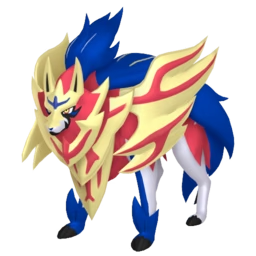

Contemporary GLC decks typically rely on Basic or Stage 1 supporting Pokémon to power big Basic attackers. Archaludon from Phantasmal Flames with its Coated Attack throws a big nasty wrench in those plans. Add to that a smattering of decent attackers like Zamazenta and Dialga, powerful search and draw engines of Jirachi and Revavroom, as well as decent Energy acceleration of Metang and Bronzong and suddenly the deck starts punching well above its weight class.
Pokémon
13
.avif)
1
.avif)
1
.avif)
1
.avif)
1
.avif)
1
.avif)
1
.avif)
1
.avif)
1
.avif)
1
.avif)
1
.avif)
1
.avif)
1
.avif)
1
Trainers
36
.avif)
1
.avif)
1
.avif)
1
.avif)
1
.avif)
1
.avif)
1
.avif)
1
.avif)
1
.avif)
1
.avif)
1
.avif)
1
.avif)
1
.avif)
1
.avif)
1
.avif)
1
.avif)
1
.avif)
1
.avif)
1
.avif)
1
.avif)
1
.avif)
1
.avif)
1
.avif)
1
.avif)
1
.avif)
1
.avif)
1
.avif)
1
.avif)
1
.avif)
1
.avif)
1
.avif)
1
.avif)
1
.avif)
1
.avif)
1
.avif)
1
.avif)
1
Energy
11
.avif)
1
.avif)
1
.avif)
9
Dragochomp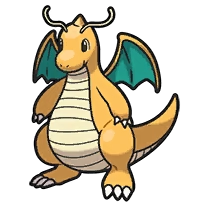

The main innovation in this Dragon deck comes from the excellent new Dragonite from the 151 set - an excellent attacker with a very helpful Ability. The second innovation is the Rayquaza from Ascended Heroes who helpfully has a Dragon Claw attack, allowing it (and Druddigon) to use the powerful Dragonium Z attack.
Loosely based on Tony Saia's build.
Pokémon
11
.avif)
1
.avif)
1
.avif)
1
.avif)
1
.avif)
1
.avif)
1
.avif)
1
.avif)
1
.avif)
1
.avif)
1
.avif)
1
Trainers
38
1
1
.avif)
1
.avif)
1
1
.avif)
1
1
1
1
.avif)
1
1
1
1
.avif)
1
.avif)
1
1
1
1
.avif)
1
1
1
1
.avif)
1
1
.avif)
1
.avif)
1
1
1
1
.avif)
1
.avif)
1
1
.avif)
1
.avif)
1
.avif)
1
1
1
.avif)
1
Energy
11
1
.avif)
1
.avif)
1
.avif)
3
.avif)
2
.avif)
2
.avif)
1
Electikoko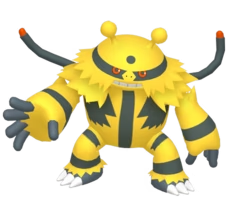
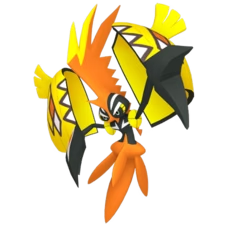

One of the rare weaknesses of the GLC format is that most decks do not have access to Bench protection. This unfortunate reality makes spread decks particularly effective. And among all the Energy types, Lightning possesses the best damage spreaders by far. If one manages to pull off an attack with Electivire followed by Raichu, it's usually enough to turn, leaving the opponent with very few support Pokémon - if any - in play. If that's not broken enough, thanks to the wide variety of cards available in GLC, you also get access to two Pokémon with Dynamotor ability, allowing you to attach three Energy cards per turn (or more, if you use Supporters).
Based on Deino's build.
Pokémon
12
.avif)
1
.avif)
1
.avif)
1
.avif)
1
.avif)
1
.avif)
1
.avif)
1
.avif)
1
.avif)
1
.avif)
1
.avif)
1
.avif)
1
Trainers
40
1
.avif)
1
.avif)
1
1
1
1
1
1
1
1
1
1
1
.avif)
1
1
1
.avif)
1
1
1
1
1
1
.avif)
1
1
1
1
.avif)
1
1
1
1
1
.avif)
1
1
1
.avif)
1
1
1
.avif)
1
.avif)
1
1
Energy
8
1
.avif)
1
6
Emboarchic


It's no secret that the Fire type has not gotten a lot of love from the game designers over the years. This deck does the best it can to overcome that disadvantage by using Torchic's Omega Barrage Trait to accelerate Energy and evolution Pokémon into play through the use of Technical Machines. Ideally you are thus able to set up the Magcargo/Rapidash duo to help you get any card you need out of your deck on every turn and Emboar who can infinitely accelerate Energy into play, powering your attackers.
Based on Alex Carpenter's build.
Pokémon
12
.avif)
1
.avif)
1
.avif)
1
.avif)
1
.avif)
1
.avif)
1
.avif)
1
.avif)
1
.avif)
1
.avif)
1
.avif)
1
.avif)
1
Trainers
36
1
.avif)
1
.avif)
1
1
1
1
.avif)
1
1
.avif)
1
1
1
1
1
1
1
.avif)
1
.avif)
1
1
1
1
1
1
1
1
1
1
1
.avif)
1
1
.avif)
1
.avif)
1
.avif)
1
1
.avif)
1
.avif)
1
1
Energy
12
1
.avif)
1
1
9
Garbollish


This deck is an attempt to simplify the most popular Psychic archetype and make it more low to the ground - no Stage 2 Pokémon. Malamar and Xatu still form the backbone of this deck as the Energy acceleration engines. However, this deck takes a more control-y approach than its predecessor. Wobbuffet is joined by Garbodor whose Garbotoxin Ability is a pain in the ass for decks who rely heavily on their own Abilities and Frillish who is instrumental in delaying your opponent's early game. Once you set all that up, Necrozma, Iron Boulder, Mewtwo, and Mimikyu will have no trouble wiping your opponent's Pokémon off the board.
Based on Andrew Mahone's build.
Pokémon
13
.avif)
1
.avif)
1
.avif)
1
.avif)
1
.avif)
1
.avif)
1
.avif)
1
.avif)
1
.avif)
1
.avif)
1
.avif)
1
.avif)
1
.avif)
1
Trainers
37
1
1
1
1
1
1
1
1
1
1
1
1
1
.avif)
1
1
1
1
.avif)
1
1
1
1
1
1
1
1
1
.avif)
1
1
.avif)
1
.avif)
1
.avif)
1
1
1
1
1
.avif)
1
.avif)
1
Energy
10
1
.avif)
1
.avif)
1
.avif)
7
Guzzbat
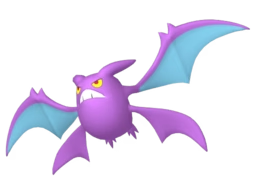

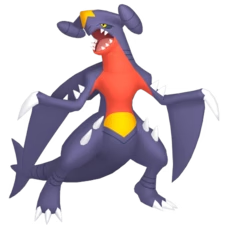
While many contemporary Darkness builds tend to only include Stage 2 Pokémon that act as powerful attackers, this deck - with Golbat and Crobat from Battle Styles - opts for Pokémon with Abilities that add consistency instead. The rest of the deck consists of veritable Darkness classics: Galarian Weezing to slow down your opponent, Liepard for additional draw power, the new Toxtricity for Energy acceleration, Galarian Hoopa, Spiritomb, and self-powering Moltres for cheap but mighty attacks, and of course Guzzloard for pulling off the highly coveted two prize turn.
Based on Alex Carpenter's build..
Pokémon
13
.avif)
1
.avif)
1
.avif)
1
.avif)
1
.avif)
1
.avif)
1
.avif)
1
.avif)
1
.avif)
1
.avif)
1
.avif)
1
.avif)
1
.avif)
1
Trainers
38
1
1
1
1
1
.avif)
1
.avif)
1
1
1
1
.avif)
1
1
1
.avif)
1
1
.avif)
1
1
1
1
1
1
1
1
1
1
1
1
1
1
1
1
1
.avif)
1
1
.avif)
1
1
1
1
Energy
9
1
.avif)
1
1
.avif)
6
Okiyama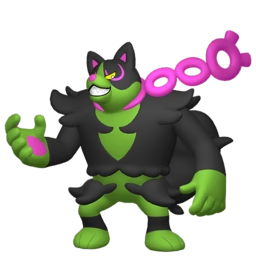


Fighting has become one of the best types in GLC. Joining Lunatone's draw engine is Barbaracle, an excellent energy accelerator which allows for the inclusion of extremely powerful attackers like Hariyama, Terrakion, and Sudowoodo, all of which can now be powered in one or two turns. The flagship attacker and the backbone of the deck of course remains Okidogi.
Based on Jack Martin's build.
Pokémon
10
.avif)
1
.avif)
1
.avif)
1
.avif)
1
.avif)
1
.avif)
1
.avif)
1
.avif)
1
.avif)
1
.avif)
1
Trainers
38
1
1
1
.avif)
1
1
1
1
1
.avif)
1
1
1
.avif)
1
.avif)
1
1
1
1
.avif)
1
1
1
1
1
.avif)
1
1
1
1
.avif)
1
1
.avif)
1
1
1
1
.avif)
1
1
1
1
.avif)
1
1
.avif)
1
Energy
12
.avif)
1
1
.avif)
1
.avif)
1
8
Torterrium


Grass is one of the most consistent types in the GLC format. It's not uncommon to see all of this deck's key Pokémon fully set up in just a few turns despite there being three Stage 2 evolutions. As if that wasn't potent enough, the deck also boasts very powerful Energy engines: Meganium's Wild Growth, which doubles all the Grass Energy on all your Pokémon, and Rillaboom's Voltage Beat, which retrieves Grass Energy from the deck and immediately attaches them. This impressive support allows you to set up equally impressive attackers, such as the hard-hitting Torterra or Tapu Bulu and the bulky Brambleghast.
Based on Andrew Mahone's build.
Pokémon
16
.avif)
1
.avif)
1
.avif)
1
.avif)
1
.avif)
1
.avif)
1
.avif)
1
.avif)
1
.avif)
1
.avif)
1
.avif)
1
.avif)
1
.avif)
1
.avif)
1
.avif)
1
.avif)
1
Trainers
33
.avif)
1
.avif)
1
1
1
.avif)
1
1
1
1
1
1
1
1
1
1
1
1
1
1
1
1
.avif)
1
1
1
1
1
1
1
1
1
1
.avif)
1
.avif)
1
.avif)
1
Energy
11
.avif)
1
.avif)
10
Toucalax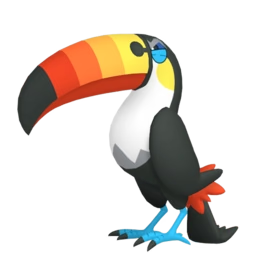


The Colorless type has the strongest and most consistent draw engines in the format. Not only that, it it can take full advantage of the wide array of powerful Special Energy cards to instantly power up its assortment of attackers.
Based on Andrew Mahone's build.
Pokémon
15
.avif)
1
.avif)
1
.avif)
1
.avif)
1
.avif)
1
.avif)
1
.avif)
1
.avif)
1
.avif)
1
.avif)
1
.avif)
1
.avif)
1
.avif)
1
.avif)
1
.avif)
1
Trainers
35
1
1
.avif)
1
1
1
1
1
1
1
.avif)
1
1
.avif)
1
1
1
1
1
1
1
1
1
1
1
1
1
1
1
1
1
1
1
.avif)
1
1
1
1
1
Energy
10
.avif)
1
1
.avif)
1
.avif)
1
.avif)
1
.avif)
1
.avif)
1
.avif)
1
1
.avif)
1
Wailibur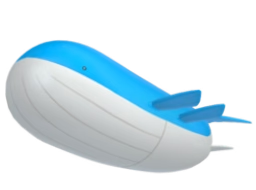
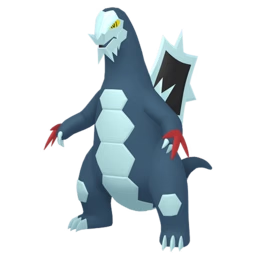

Water type boasts some of the highest HP Pokémon in the GLC format, Wailord chief among them. With 240 base HP and Luxurious Cape as an optional attachment, it's basically impossible to knock it out in one hit. To help you set it up, the deck relies on impressive draw and search powers of Octillery and Inteleon while Baxcalibur and Frosmoth provide the best Energy acceleration engine in the format. And even if disaster strikes and Wailord goes down, a plethora of other impressive attackers - Kyogre, Lapras, Wishiwashi - are always ready to take its place.
Based on Alex Carpenter's build.
Pokémon
16
.avif)
1
.avif)
1
.avif)
1
.avif)
1
.avif)
1
.avif)
1
.avif)
1
.avif)
1
.avif)
1
.avif)
1
.avif)
1
.avif)
1
.avif)
1
.avif)
1
.avif)
1
.avif)
1
Trainers
33
1
1
1
1
.avif)
1
1
1
1
1
.avif)
1
1
1
1
.avif)
1
.avif)
1
.avif)
1
1
1
1
1
1
1
1
1
1
.avif)
1
1
1
1
1
1
1
.avif)
1
Energy
11
1
.avif)
1
9
Giratu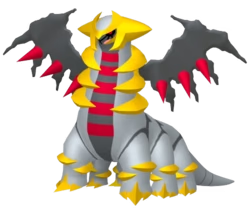

A bit of an all-rounder Psychic build that - alongside mainstay attackers and support Pokémon present in most Psychic decks - also features some atypical techs. Among the most visible ones are Munkidori to move damage counters from your Pokémon to your opponent's and Mr. Mime to shield your Bench from indirect attacks. The nastiest surprises, however, are undoubtedly Natu from Roaring Skies who can hit two of your opponent's Pokémon at once with the help of Technical Machine: Blindside and Girafarig who can completely dismantle your opponent's strategy by stranding their most important materials in the Lost Zone.
Based on Winter Rousseve's build.
Pokémon
14
1
.avif)
1
1
.avif)
1
.avif)
1
.avif)
1
.avif)
1
.avif)
1
1
1
1
.avif)
1
.avif)
1
.avif)
1
Trainers
35
1
1
1
1
1
1
1
1
1
1
1
1
.avif)
1
1
1
1
1
1
1
1
1
1
1
1
1
1
1
1
1
1
1
.avif)
1
1
1
1
Energy
11
1
.avif)
1
1
1
6
1
Hippowsand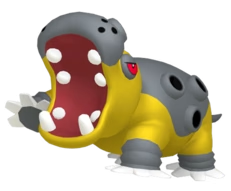
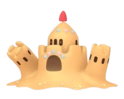
GLC is no stranger to spread decks of many types but this one is probably at the top. It uses Ting-Lu, Palossand, and Hippowdon to slowly drown the opponent's board in damage counters and setting you up for multi-prize turns. Powering this strategy is Lunatone who remains one of the best draw engines in the game. Rounding off the deck you have Marshadow, who can take out weakened opponents while making you untouchable for a turn, and Bloodmoon Ursaluna, who can take out even the toughest opponents with ease. Providing they have a few damage counters on them. Which they undoubtedly will.
Based on George Rhodes' build.
Pokémon
10
.avif)
1
.avif)
1
.avif)
1
.avif)
1
.avif)
1
1
.avif)
1
.avif)
1
1
1
Trainers
40
1
1
1
1
1
1
1
1
1
1
1
1
1
1
1
1
1
1
.avif)
1
1
1
1
1
1
1
1
1
1
1
1
1
1
1
.avif)
1
1
1
1
.avif)
1
1
1
Energy
10
1
1
1
7
Garbolt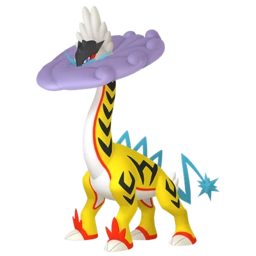
The Dragon type features some of the most powerful Basic attackers in the format. This allows for a fairly unique deck construction as you don't necessarily need Pokémon with powerful search or draw engines to support your play but can instead rely on an increased number of Items and Supporters.
Loosely based on Lee Hoffman's build.
Pokémon
9
1
1
1
.avif)
1
1
1
.avif)
1
.avif)
1
1
Trainers
40
1
1
1
1
1
1
1
1
.avif)
1
1
1
1
1
1
.avif)
1
1
1
1
1
1
1
1
1
1
.avif)
1
1
1
1
.avif)
1
1
1
1
1
1
1
1
1
1
1
1
Energy
11
1
1
1
1
3
2
2
Girazuma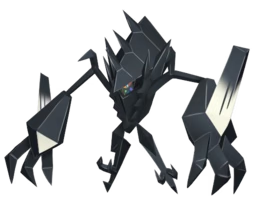
Gallade can fetch any Supporter you need every turn while Malamar and Xatu serve as an Energy acceleration engine. Add to that the Dimension Valley Stadium and you can power Necrozma, Mewtwo, or Giratina in a single turn. If you find yourself 10HP short of finishing off an opponent's Pokémon, Giratina's Distortion Door Ability comes to the rescue while simultaneously fueling Scream Tail's Roaring Scream attack.
Based on skilledatluck's build.
Pokémon
13
1
1
1
.avif)
1
1
1
.avif)
1
1
1
1
1
1
.avif)
1
Trainers
38
1
1
1
1
1
1
1
1
.avif)
1
1
1
1
1
1
1
.avif)
1
1
1
1
1
1
1
1
1
1
1
1
1
1
1
1
1
1
1
1
1
.avif)
1
.avif)
1
Energy
9
1
1
1
6
Guzzweez
As one of the rare builds without any Stage 2 Pokémon, this deck is able to set up really quickly and hit the ground running. The idea is to start pressuring the opponent as soon as possible while you set up Guzzloard, your most important attacker, in the bench for a chance to strike at the perfect time for a two prize turn. The deck is also able to severely slow down your opponent with Galarian Weezing, not only neutralizing all Pokémon Powers but also inflicting Poison damage which ramps up alarmingly fast.
Based on Andrew Mahone's build.
Pokémon
13
1
1
1
1
.avif)
1
.avif)
1
1
1
1
.avif)
1
.avif)
1
.avif)
1
.avif)
1
Trainers
38
1
1
1
1
1
1
1
1
1
1
1
1
1
1
1
1
1
1
1
1
1
1
1
1
1
1
1
1
1
1
1
1
1
1
1
1
1
.avif)
1
Energy
9
1
1
1
6
Oki-Lu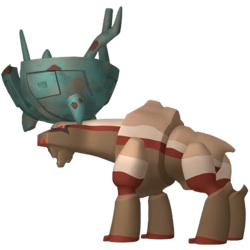
Fighting used to be considered one of the worst types to play in GLC. The primary reason was the lack of consistency, mostly due to the lack of a decent draw engine. Then Mega Evolution set was released and the world changed. The set included Lunatone, an unprecedented (don't quote me on that) Basic Pokémon with a draw Ability. Combined with Okidogi (one of the best Basic fighters), a new Marshadow (who becomes invincible for a turn if it knocks out the Defending Pokémon), and of course Ting-Lu (a single-energy Basic spread attacker) this deck is a monster.
Based on Kris Hill's build.
Pokémon
9
1
1
1
1
1
1
1
1
1
Trainers
40
1
1
1
1
1
1
1
1
1
1
1
1
1
1
1
1
1
1
1
1
1
1
1
1
1
1
1
1
1
1
1
1
1
1
1
1
1
1
1
1
Energy
11
1
1
1
1
7
Snorel
The Colorless type has the strongest and most consistent draw engines in the format, period. Search options, however, are limited. To balance the scales, the deck includes a larger than average amount of Trainers that help you set things up and hinder your opponent. As far as attackers go, this deck includes one of the strongest ones out there, Snorlax, who can KO almost anything in the format in a single turn. The Journey Together set also brought Hop's Snorlax and Cramorant along with Hop's Choice Band, one of the most broken Tool cards in the format. To top it all off, because Colorless Pokémon can be powered by any Energy type, the deck is able to benefit from Special Energy more than any other.
Based on Cameron Armstrong's build.
Pokémon
11
.avif)
1
1
1
.avif)
1
1
1
1
1
1
1
1
Trainers
38
1
1
1
1
1
1
1
1
1
1
1
1
1
.avif)
1
1
1
1
1
1
1
1
1
1
1
1
1
1
1
1
1
1
1
1
1
1
1
1
1
Energy
11
1
1
1
1
1
.avif)
1
5
Duskallade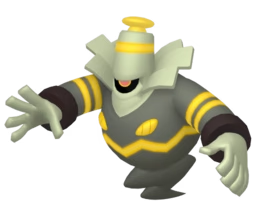

Gallade can fetch any Supporter you need every turn while Malamar and Xatu serve as Energy acceleration engines. Add to that the Dimension Valley Stadium and you can power any attacker in a single turn. The deck also features some nasty surprises such as Wobbuffet who can disable all Pokémon Powers of non-Psychic Pokémon and Dusclops who can take out most benched support Pokémon in the format even through most bench barriers.
This is actually a perfectly viable Psychic build. The only reason I retired it is because I'm personally not a fan of how it plays. I much prefer the newer Garbodor and Delta Plus Natu archetypes.
Based on Ben Morse's build.
Pokémon
15
1
1
1
.avif)
1
.avif)
1
.avif)
1
1
1
1
1
1
1
1
1
1
Trainers
37
1
1
1
1
1
1
1
1
1
1
1
1
1
1
1
1
1
1
1
1
1
1
1
1
1
1
1
1
1
1
1
1
1
1
1
1
1
Energy
8
1
1
6
Trevodor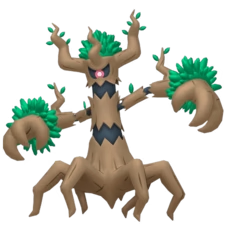
Kick off the game with Phantump. With a little luck, thanks to its Ascension attack, you can set up a one-sided Item lock via Trevenant's Forest's Curse Ability as soon as turn one if you're starting second. Continue making things difficult for your opponent by transitioning into an Ability lock by setting up Garbodor or Wobbuffet. Finish things off by inflicting massive damage from one of your many powerful attackers.
I got this build on a whim because I was swayed by the promise of a control deck. The trouble is, it's very difficult to pilot due to a lack of any draw/search engines (since Abilities need to be sacrificed to Garbodor) and high Energy costs. Plus, realistically, Trevenant is really only useful if you are able to put it in play on your first turn (going second).
Based on Andrew Mahone's build.
Pokémon
14
.avif)
1
.avif)
1
1
1
1
1
.avif)
1
.avif)
1
1
1
1
1
.avif)
1
.avif)
1
Trainers
36
.avif)
1
1
.avif)
1
.avif)
1
1
1
1
1
.avif)
1
1
1
.avif)
1
1
1
1
1
1
1
1
1
1
1
1
1
1
1
1
1
1
1
1
1
1
1
1
.avif)
1
Energy
10
1
1
.avif)
1
1
.avif)
1
5
Based on Andrew Mahone's build.